
Why Mustard Seed Media Is Built for the Room, Not the Algorithm
Mustard Seed Media creates church worship videos as pastoral tools for real ministry moments, not generic service fillers. This guide shows how current films such as It’s Been There All Along, Hannah’s Vow, and The Greatest Loss can help leaders connect visual storytelling to Scripture, generosity, and response.
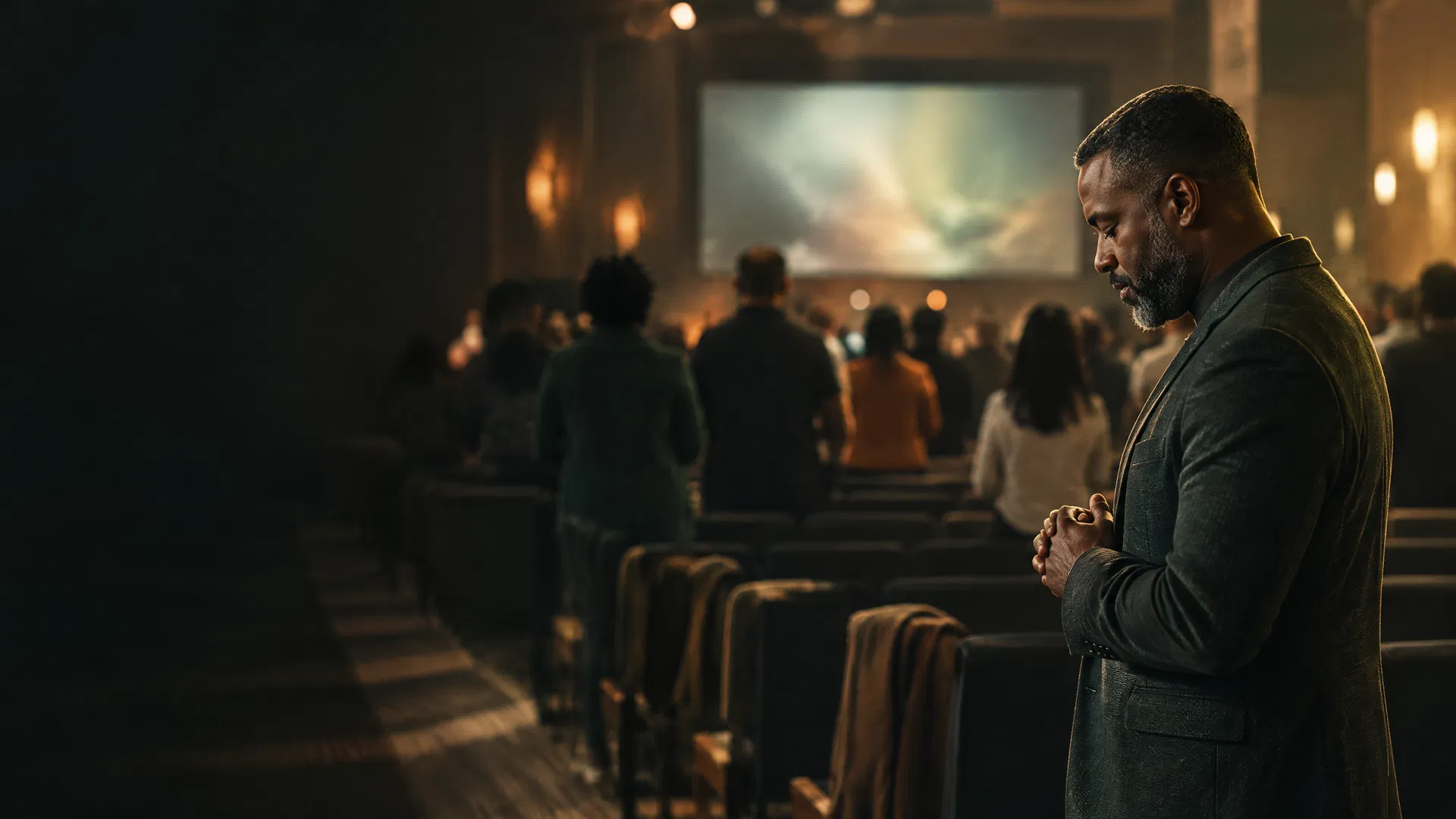
When pastors and worship leaders look for church worship videos, they are not searching for one more piece of content to fill a transition. They are looking for help with a real ministry moment: a congregation carrying grief into the room, a sermon that needs an image before it needs an outline, a generosity invitation that must sound like worship rather than pressure. Mustard Seed Media exists for that room. The work begins with a pastoral question, then builds a story that can help people see, feel, and respond to the truth God is already placing before them.
That distinction matters. The internet is full of material that can be shown in church. Much less of it was made with the spiritual and emotional responsibility of the gathering in mind. A service is not a content channel, and a congregation is not an audience to be retained. It is a people being formed. The right film can give language to a burden, prepare attention for Scripture, or create a shared point of reflection that stays with the church long after the screen goes dark.
Church Worship Videos Begin With a Ministry Question
At Mustard Seed Media, the creative question is never simply, “What will perform?” It is, “What does this room need to reckon with?” That is why the catalog moves between worship, generosity, grief, identity, justice, calling, and formation. The stories do not assume that every church gathering feels the same. They are designed to help ministry leaders name the moment they are actually stewarding.
The Room Comes Before the Reel
Consider It’s Been There All Along. Its central image is remarkably ordinary: a woman packing her home discovers a forgotten guitar. Yet the film uses that discovery to ask what gifts, blessings, and possibilities have become invisible because familiarity has made them seem small. That is more than a clever premise. It gives a pastor a doorway into gratitude, calling, contentment, or the discipline of paying attention to what God has already entrusted to us.
Or consider The Greatest Loss, which invites viewers to reconsider losses that happen quietly, without a public crisis or visible tragedy. The question it raises can open a sermon, a prayer response, or a discipleship conversation with unusual honesty. The goal is not to manufacture emotion. The goal is to make room for the truth that some people entered worship carrying a loss they have not yet known how to name.
A Catalog With Range, Not Randomness
Churches need more than a single emotional register. A healthy worshiping community must know how to celebrate, lament, give, listen, repent, hope, and remember. That is why Mustard Seed Media pairs creative worship films with giving videos that treat stewardship as spiritual formation. The themes are varied because the work of pastoring a people is varied.
Hannah’s Vow approaches generosity through the tenderness of surrender. Hannah receives the son for whom she prayed, then holds that blessing with open hands before God. The film gives leaders a way to frame giving around consecration rather than transaction. Likewise, The Macedonian Model draws from 2 Corinthians 8 to show generosity arising not from comfort or surplus, but from a people who first gave themselves to the Lord. Those are not interchangeable messages, and they should not be used interchangeably. Each gives a ministry team a distinct theological doorway for a specific season.
The same intentionality appears in Tulsa Is Still Burning, a spoken-word film that refuses to treat historical pain as if it has simply passed away. It invites reflection on the enduring wounds connected to Tulsa and Black Wall Street while turning the room toward faith, healing, and shared responsibility. A church engaging that film is not using a visual as decoration. It is choosing to make space for lament, memory, and a more truthful discipleship.
Quality Is a Pastoral Responsibility
There is a reason churches notice the difference between a film that feels generic and one that feels crafted. People can sense when a story understands its subject, when a visual is carrying emotional weight without manipulating the viewer, and when the music, narration, images, and pacing are serving a single spiritual purpose. Quality is not about making worship look impressive. It is about honoring the attention of the people God has placed in your care.
For creative teams, that means a strong film should reduce the temptation to overproduce the moment around it. It should not need a long setup, a dramatic lighting cue, or a stream of announcements immediately afterward. Instead, it should create a clear handoff: into a Scripture reading, a pastoral reflection, an offering, a prayer, or a response song. When leaders know where a story is going, the screen becomes a servant of the service rather than a break from it.
Made to Be Placed, Not Merely Played
That is why planning matters as much as playback. Before choosing a video, ask three questions. What truth are we helping people receive today? What emotion or resistance may be keeping them from hearing it? What will we invite them to do once the story ends? Those questions help a worship leader use a film with purpose. They also keep a pastor from treating media as an isolated production element instead of a pastoral tool.
A video may belong before a sermon, when it can awaken curiosity and create a shared image. It may belong before an offering, when it can frame generosity as a response to God’s grace. It may belong after the message, when a congregation needs a few minutes to sit with what they have heard. Placement changes meaning. Mustard Seed Media is built with that reality in view.
Content Made for the Church, Not Just Sold to It
The deepest difference is one of posture. Mustard Seed Media does not begin by asking how many eyes can be captured. It begins by asking how a story can help a local church shepherd its people faithfully. That posture makes room for films that are beautiful without being empty, accessible without becoming shallow, and cinematic without confusing ministry with entertainment.
Pastors, worship leaders, and creative staff already carry the responsibility of helping people attend to God in a distracted world. The screen will always shape imagination; the question is whether it will be used with pastoral care. When a film is chosen prayerfully, placed wisely, and connected clearly to the Word, it can help a congregation encounter a truth they may have heard before in a way they will not soon forget.
Church worship videos are at their best when they do not compete for the room’s attention, but help return that attention to God.
Explore the full Mustard Seed Media library of creative worship films and giving videos, and choose the story that can serve the moment your church is stewarding next.
Share this post
Get New Posts in Your Inbox
Practical ministry resources delivered monthly. No spam.
Explore our ministry media resources
Worship videos, kids curriculum, and animated films for your church.